Kijabe Environmental Volunteers (KENVO)
Project key objectives:
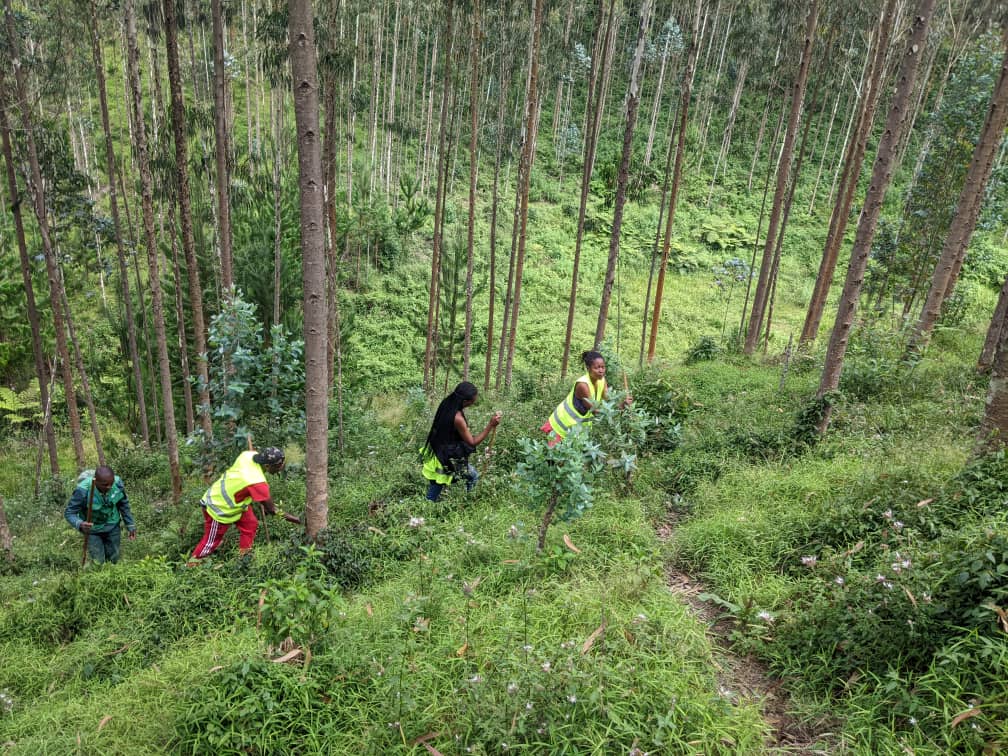
1\. To enhance the biodiversity in the Aberdare-Malewa landscape by restoring 225 hectares of degraded forest, riparian areas, and agricultural land
2\. To strengthen community-led water governance and promote integrated water resource management (IWRM) for equitable and sustainable use.
3\. To build and enhance the capacity of the CFA and 1 WRUA umbrella body (local institutions) in project implementation, resource mobilization and management, leadership, governance and organizational sustainability mechanisms
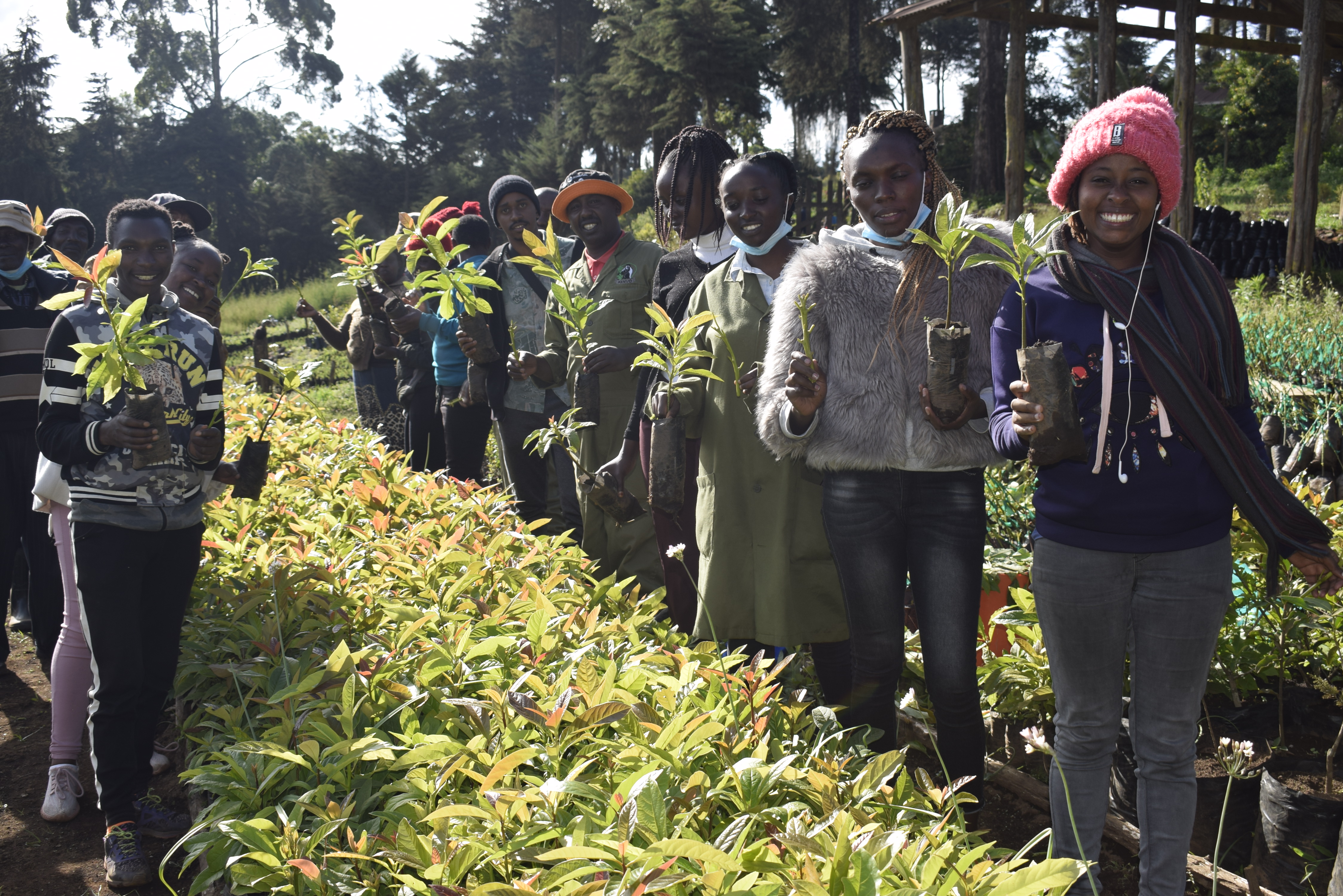
4\. To enhance the adaptive capacity and incomes for 850 households, through energy saving jikos, bee keeping, and pilot avocado farming
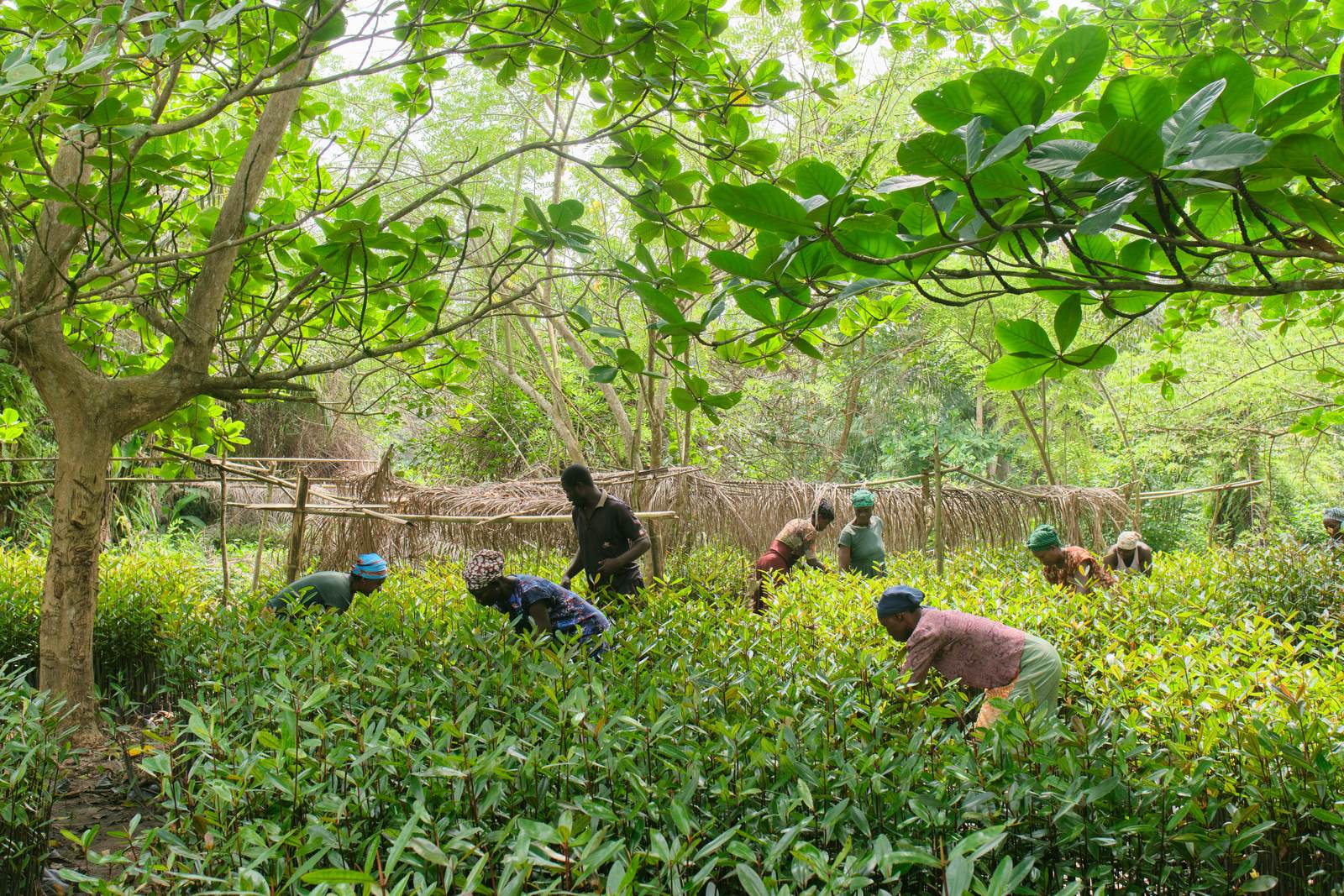
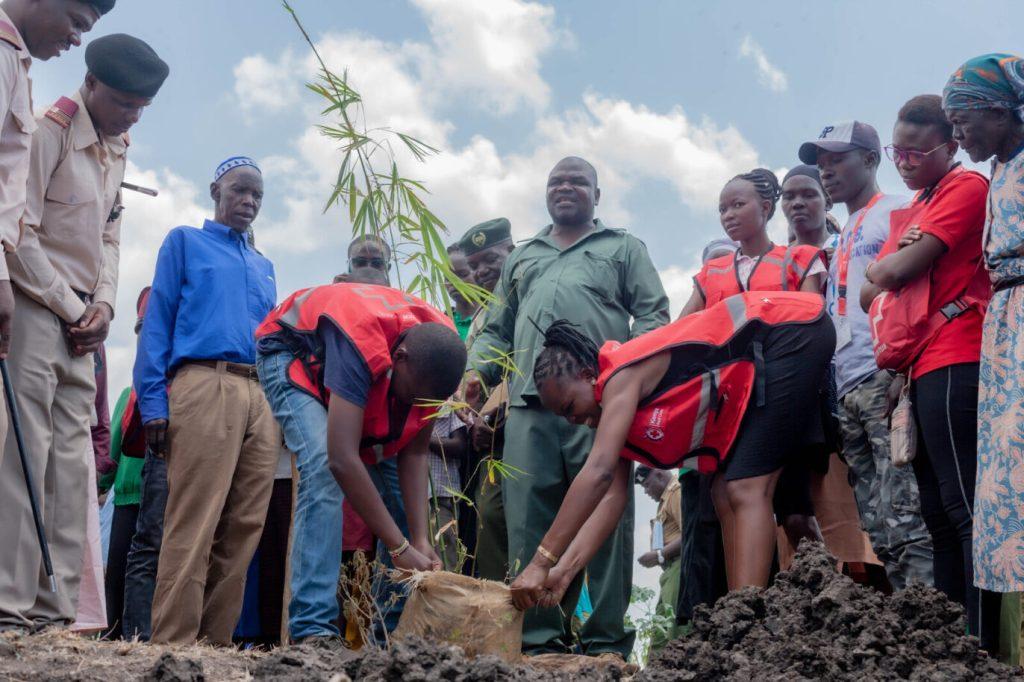
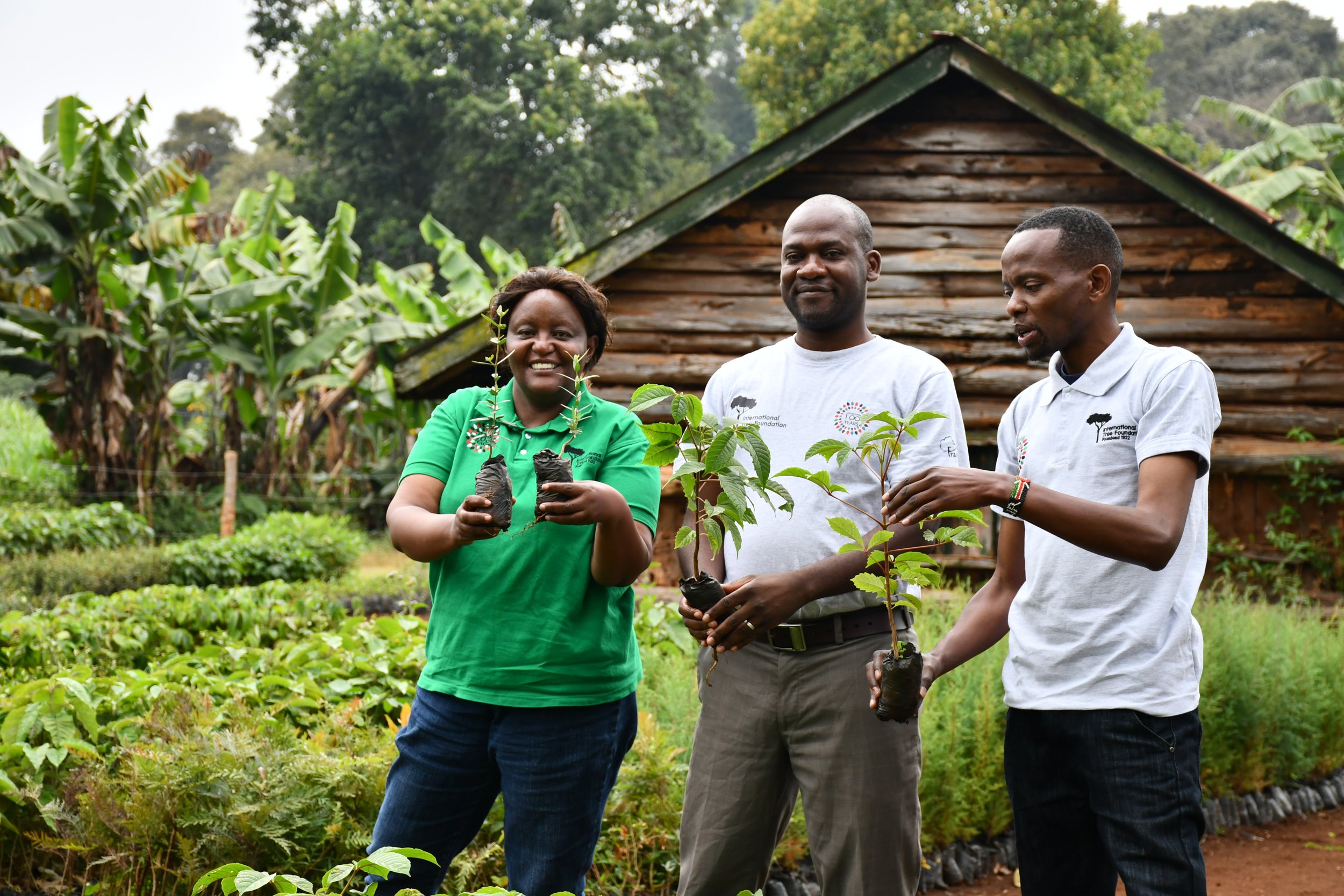
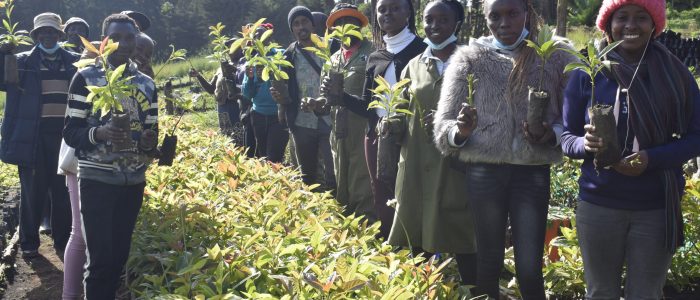
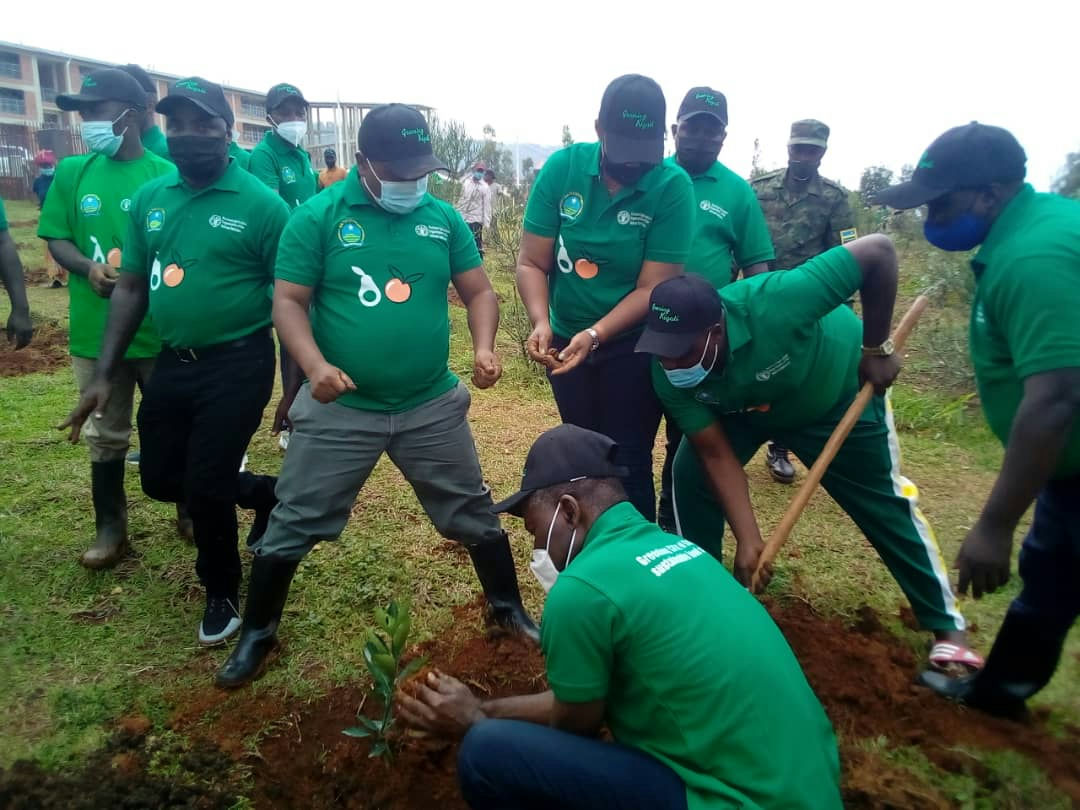
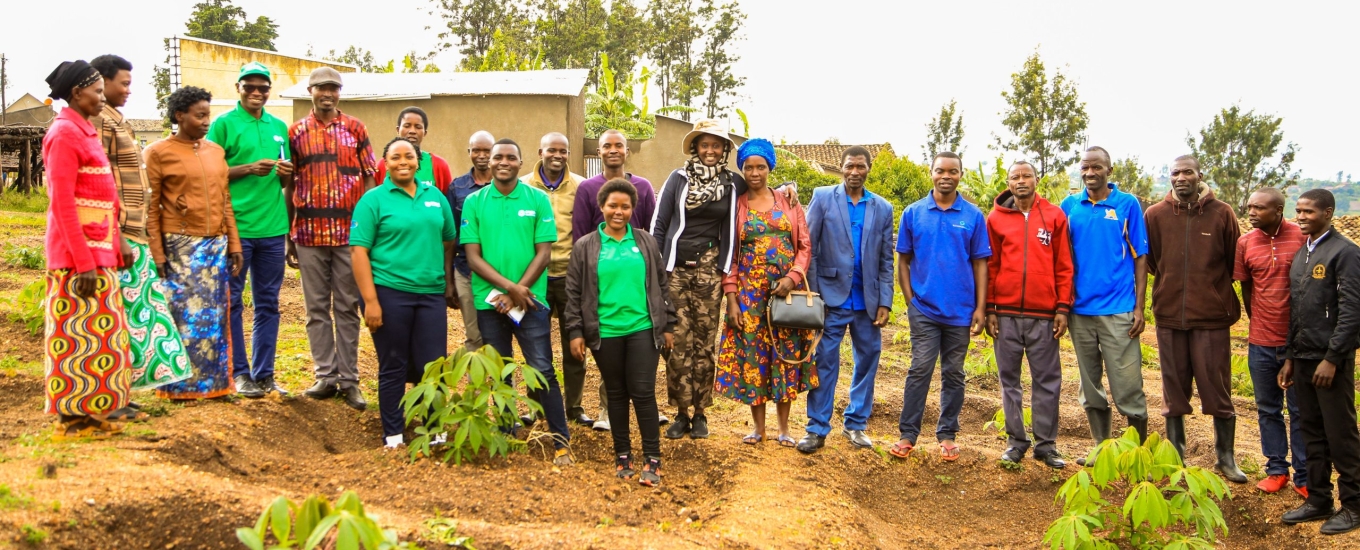
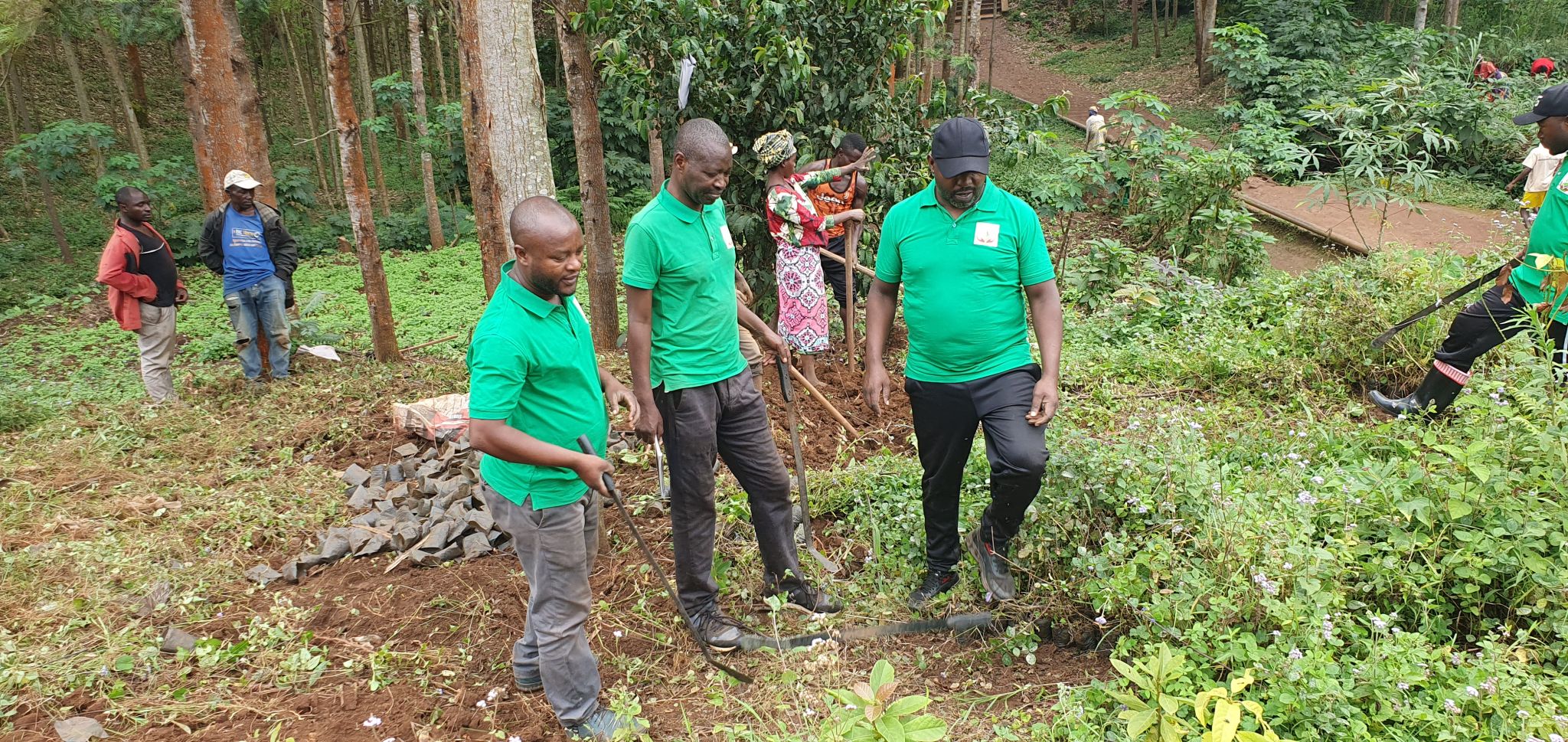
Our restoration projects involves community at all stages, from design to implementation and monitoring. This allows the projects to be locally owned, aligned to community needs, and sustainable in the long term.
The design process will be informed by:
• community meetings and consultations: Meetings will bring together local leaders, women, youth, and PWD groups to identify priority needs, species selection, planting approaches, and rules for project governance. The Project Implementation Committee (PIC) will support the consortium by offering technical advise on various project activities.
Community engagement will also include:
• An inception meeting to launch the project and provide a platform for dialogue and shared understanding of the project.
• Information-sharing channels, such as WRUA, CFA and KFS offices, local popular social media forums, churches, and County agricultural field days will be used to keep the public informed.
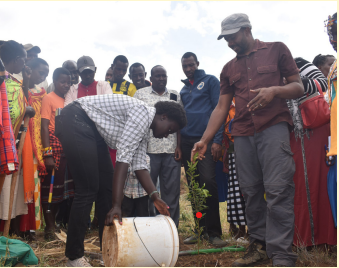
• 48 Capacity building and training workshops for CFA and WRUA members on tree planting, river water quality monitoring, agroforestry, beekeeping, and other Nature Based initiatives.
• Community-based monitoring where local members track survival rates, water and soil health, and impacts on livelihoods.
Tree maintenance and monitoring will be led by CFAs and LANABWRUA through replacement of any dead trees, fencing off the restored sites, and conducting spot weeding. Farmers will be required to sign a contract committing to maintain and ensure the desired survival rate of the trees for the agroforestry component. The survival rate of the trees grown will be tracked through continuous monitoring exercises which will be conducted three months after planting followed by biannual monitoring. Additionally, monitoring will also take place on need basis i.e., in case of occurrence of events with adverse impacts to the tree survival rates and as well as after conducting beating up.
Targeted impacts;
1: Increased abundance and diversity of native flora and fauna species as a result of ecological integrity and connectivity across 225 hectares of restored forest, riparian, and agricultural landscapes.
2: Improved water quality and flow regulation through protection of 23km riparian areas and catchment zones with enhanced capacity among WRUA members in integrated water resource management
3: Increased ability of local institutions (CFA and LANABWRUA) to mobilize resources, implement projects, and sustain conservation gains beyond the project period, becoming more effective, transparent, and financially sustainable
4: Increased household incomes from diversified and nature-based enterprises (beekeeping, and tree nurseries) with enhanced adaptive capacity of households to climate variability through adoption of energy saving jikos